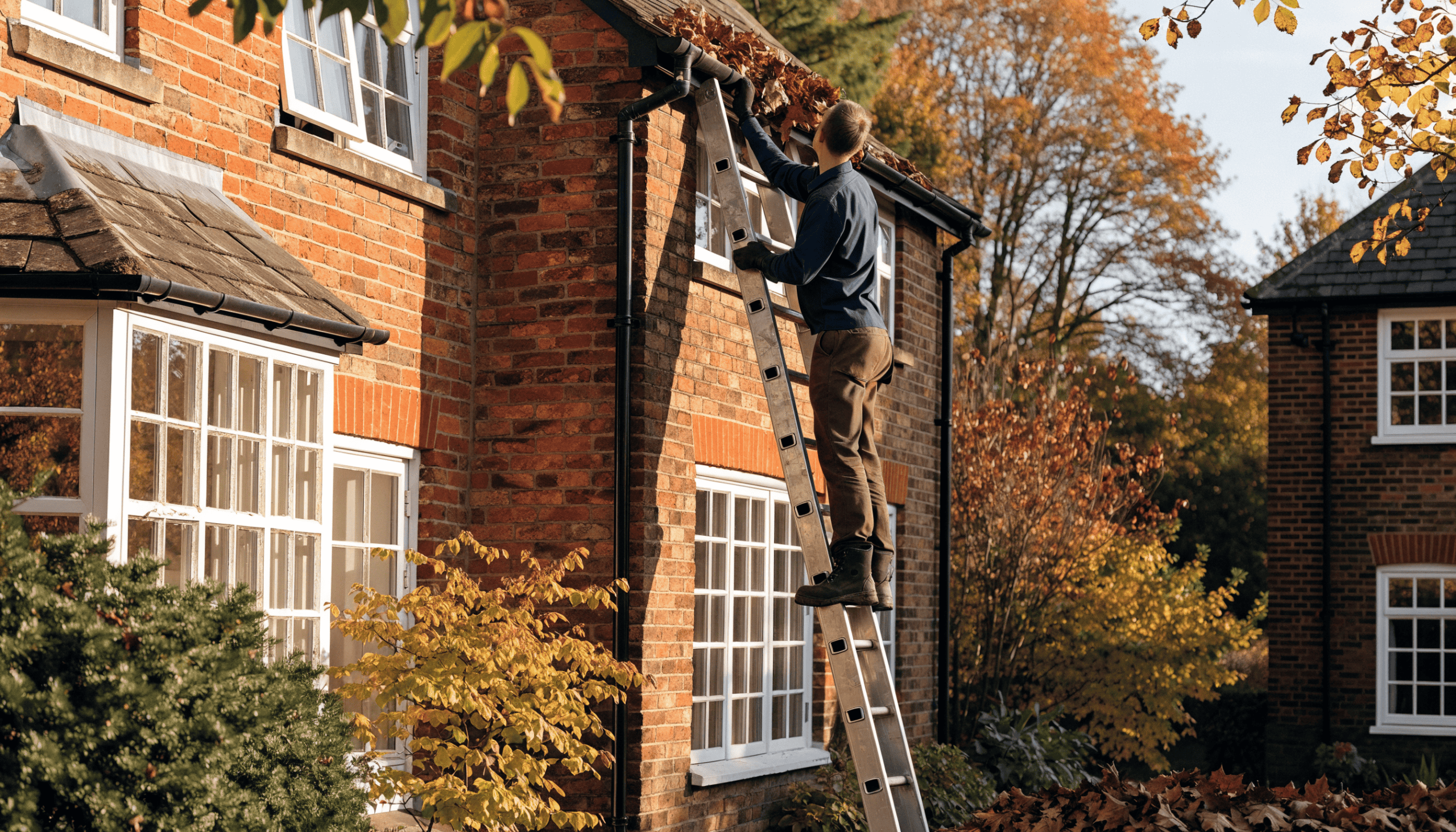
For a landlord, winter is when small oversights turn into emergency call-outs. The burst pipe or dead boiler always seems to land on the coldest weekend of the year, usually with a cold, unhappy tenant on the other end of the phone. Cambridge's rental stock makes this especially worth planning for: a lot of it is older, draughty housing — the Victorian terraces of Romsey and Petersfield, converted period homes, and student and professional sharers' houses that work hard through a long academic year. A little seasonal preparation in autumn keeps your property sound, your tenants safe and warm, and your winter far quieter.
Heating is both a comfort and a legal duty, so make it your priority. Book the annual boiler service and Gas Safety Certificate before demand peaks, and confirm the whole system is heating properly. A tenant left without reliable warmth or hot water in January has a genuine grievance, and a failed boiler mid-winter is far more expensive and disruptive than a service in October. The HSE gas safety guidance for landlords and our 2026 landlord compliance checklist set out exactly what is required.
Autumn weather tests a property's defences, so tick off the essentials while the weather still allows:
This pairs naturally with the warm-weather jobs in our Cambridge landlord's summer checklist.
Winter is no time to let safety paperwork lapse. Confirm you hold a valid Gas Safety Certificate, a current Electrical Installation Condition Report, and an in-date EPC that meets the required standard — remember the minimum is rising towards EPC C by 2030 — and that smoke and carbon monoxide alarms are fitted and working. Respond quickly to any disrepair a tenant reports: the rules on property condition have tightened, and prompt action on hazards such as damp and mould is now firmly expected of landlords rather than optional.
A quick word with tenants prevents a lot of winter problems. Remind them how to report a fault, how to cut condensation by ventilating and heating the home sensibly, and where to find the stopcock if a pipe bursts. In shared and student houses in particular, where several people are drying washing and cooking in one property, condensation can build quickly — a little guidance goes a long way. Tenants who know what to do tend to catch small issues before they become expensive ones.
Staying on top of seasonal maintenance, compliance and tenant communication takes time and organisation. Many Cambridge landlords hand it to a managing agent, so the checks get done, the certificates stay current, and any winter emergency is dealt with quickly and correctly — which matters most when you own from a distance or juggle several properties.
Winter rarely troubles the landlord who prepared in autumn: the heating is serviced, the property is weatherproofed, the compliance is current, and the tenants know what to do. That hour or two of preparation is what stands between you and a midnight call-out in January. If you would rather someone else kept your Cambridge rental winter-ready and compliant, our lettings team can manage it for you — call 01223 323 130 or get in touch.
Keeping the property safe, warm and in good repair: a working heating system and hot water, sound gutters and roof, protection against frozen pipes, and prompt action on any damp, mould or disrepair a tenant reports.
Make sure the property is properly heated and ventilated, deal with any sources of damp, and give tenants clear guidance on reducing condensation — especially in busy shared houses. Act quickly on any mould rather than letting it spread.
Yes. An annual gas safety check by a Gas Safe registered engineer is a legal requirement, and a yearly service sharply reduces the chance of a mid-winter breakdown.