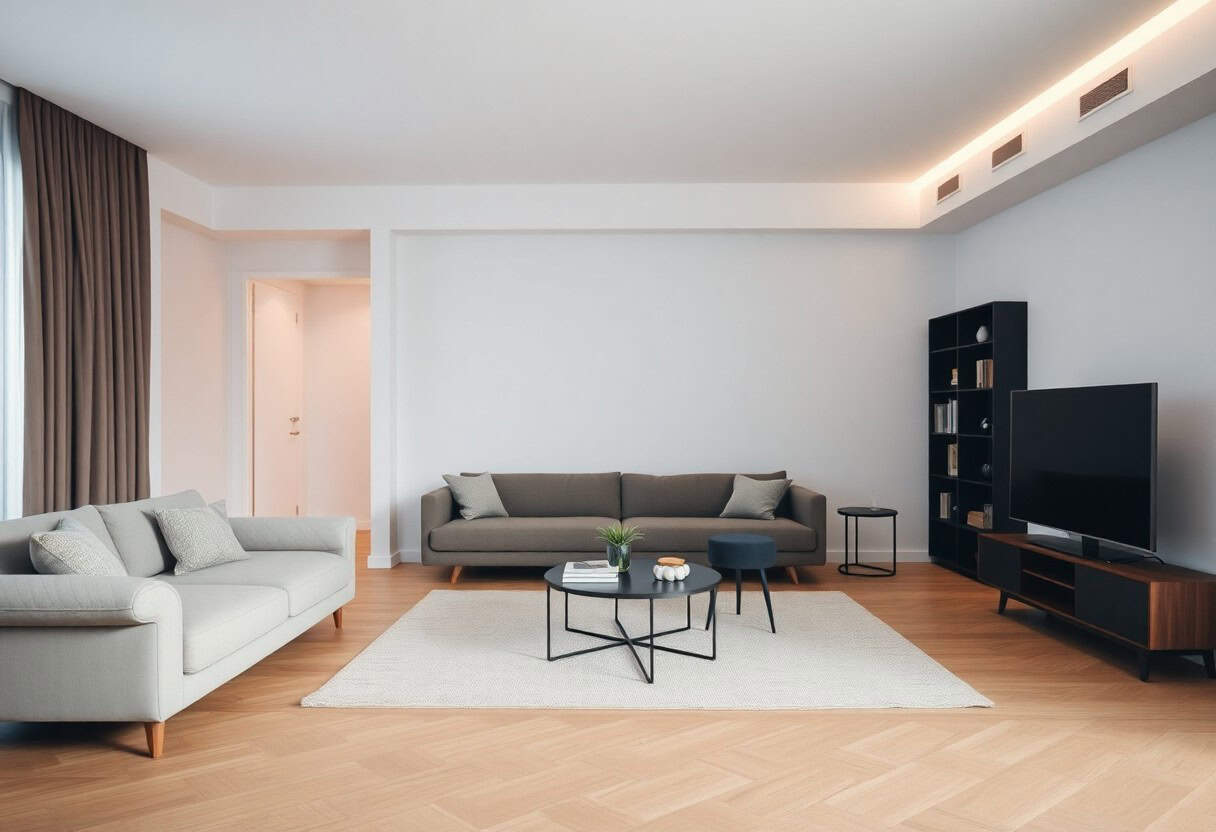
It's crucial to understand what you, as a tenant, truly desire when choosing between furnished and unfurnished rental properties. Your preferences can significantly impact your comfort and lifestyle. Whether you're looking for convenience or flexibility, knowing the advantages of each option will help you make an informed decision. For detailed insights on this topic, visit The Pros & Cons of Furnished vs Unfurnished Rentals.
Opting for a furnished rental brings unparalleled convenience to your living situation. You can step into a fully equipped home without the hassle of sourcing furniture, appliances, or even basic amenities. This ease is particularly attractive for those who may be relocating for work or studying at a university, where time and logistics can pose significant challenges. With everything prepared for you, your energy can be focused on settling into your new environment rather than navigating the complexities of furnishing a home.
Moreover, furnished rentals often come with flexible leasing terms, which can accommodate your specific needs. This means you can benefit from a hassle-free experience while enjoying a space tailored for immediate comfort. There's no need to worry about the expenses associated with moving furniture or the risk of dealing with damaged items during transit. For many tenants, the prospect of a ready-made living space is simply too appealing to overlook, allowing for a smoother transition into their new life.
Furnished rentals excel in offering flexibility, which is an attractive proposition for tenants who may not want a long-term commitment. Whether you require a place for a few months due to work assignments, or you are a student on a term basis, a furnished option provides the perfect solution. The short-term leasing model allows you to adapt to your evolving circumstances without the burden of long leases or extensive deposits. This adaptability is particularly beneficial in today's dynamic job market, where roles and commitments can change rapidly.
Moreover, if your plans shift unexpectedly, you'll appreciate the freedom of a furnished rental. The month-to-month leasing agreements common in furnished properties allow you to pack up and move on with little notice. This kind of arrangement suits both individual professionals and those in transient phases of life, including those transitioning between homes or relocating to new cities. Such flexibility forms another cornerstone of why furnished rentals remain in high demand, catering to diverse tenant needs.
By choosing an unfurnished rental, you gain the freedom to personalise your living space to reflect your unique tastes and preferences. This opportunity allows you to select your own furniture, decorations, and layout, creating an environment that feels truly yours. Imagine selecting a sofa that perfectly matches your aesthetic or a dining table that accommodates your entertaining style; these choices transform a mere rental into a personalised sanctuary.
Moreover, personalisation extends beyond mere aesthetics. You can create a functional space that caters to your lifestyle, whether that involves a dedicated workspace for remote working or an optimal configuration for hosting friends and family. As you curate each element of your home, your investment in these pieces also adds to your overall living experience, making it a place where you genuinely feel at ease.
Opting for an unfurnished rental frequently proves more economical in the long run. While furnished properties often come with higher rents to account for the added convenience, unfurnished rentals typically offer lower base rental prices. This reduction in expenditure can significantly impact your overall budget, allowing you to allocate funds towards quality furnishings that can last for years, rather than continually paying a premium for the convenience.
Furthermore, you retain flexibility with your choices; when moving out, you can take your furniture with you. This transitional aspect often leads to lesser financial losses, as you invest in items you can use across multiple properties. With an average difference of £100 to £200 in monthly rent for furnished versus unfurnished options, choosing the latter can accumulate significant savings that can be redirected towards building your own home rather than simply paying for someone else's furniture.
In addition to lower rental costs, unfurnished rentals empower you to consider your furniture's longevity in the context of your budget. Investing in quality, durable items may have a higher upfront cost, but they tend to pay off over time, reducing the need for frequent replacements. Moreover, this means you can potentially avoid the costly annual increases associated with furnished rentals, allowing for better financial planning and savings over time.
For young professionals, convenience and flexibility are paramount. You often prioritise properties that are furnished, saving you time and effort when relocating for job opportunities. The appeal of modern furnishings and stylish decor aligns with your lifestyle, allowing you to settle in without the need for extensive personal investments in furniture. A well-furnished space not only enhances your living experience but also reflects a sense of professionalism and sophistication, which is important in your social and work environments.
Location is another critical factor; you typically seek properties in urban areas with easy access to transport links, cafes, and bars. According to recent surveys, over 70% of young professionals favour proximity to work and leisure amenities, making furnished apartments in such hotspots incredibly desirable. This demographic is inclined towards short to medium-term rentals, where flexibility reigns supreme, further solidifying the demand for furnished accommodations.
Families and long-term residents, on the other hand, often lean towards unfurnished properties. You value space and the opportunity to personalise your home environment, which often meets the needs of children and family life. A blank canvas allows you to invest in furniture that suits your family's style and long-term needs, fostering a deeper sense of ownership and attachment to your living space. Moreover, stability is key; many in this demographic prefer to secure a home for several years, leading them to opt for unfurnished rentals where they can truly make their own.
Additionally, school districts and local amenities play a significant role in your decision-making process. Families typically prefer neighbourhoods with reputable schools, parks, and community resources, indicating that the suitability of the location often trumps the benefits of furnished properties. The trend towards longer leases shows that you seek not just a dwelling, but a community where your family can thrive over time.
As you contemplate your housing options, understanding the community and amenities around you becomes just as vital as the choice between furnished and unfurnished. Setting roots in a supportive environment enhances your family's quality of life, making the search for the right property more than just a financial decision—it's about finding a home where you can envision your future.
Your choices as a tenant are often influenced by prevailing market trends. Over recent years, there has been a notable shift towards furnished rentals, particularly in urban centres where mobility is high and transient lifestyles are common. Reports indicate that approximately 60% of renters in cities like London prefer furnished options, driven by the desire for immediacy and the decreasing appeal of long-term commitments to furniture purchases. In contrast, unfurnished rentals still hold appeal in areas where families or long-term residents prioritise personalisation and space management, reflecting a more tailored living environment.
As the rental market evolves, it becomes evident that demand for furnished rentals peaks during specific seasons, such as the summer months when university students flood the market. Conversely, unfurnished properties see more interest in winter when traditional leases are expiring, creating a two-tiered demand cycle that landlords must navigate. Keeping an eye on these trends allows you to make informed decisions about your living arrangements, whether seeking the convenience of furnished or the freedom of unfurnished spaces.
Regional preferences can significantly impact your choice between furnished and unfurnished rentals. In metropolitan areas like London and Manchester, the demand for furnished properties tends to be higher due to the influx of young professionals and students who prioritise flexibility. These areas often experience soaring rental prices, making the option to move into a ready-furnished space appealing, especially for those relocating for work or study.
In contrast, more suburban or rural regions often see a greater demand for unfurnished rentals. Here, tenants typically have more space and are inclined to stay longer, preferring to personalise their environment. Statistics show that in such areas, up to 70% of renters opt for unfurnished properties, valuing the long-term investment in furniture and the ability to create a homely atmosphere.
The current economic climate plays a pivotal role in determining whether you lean towards furnished or unfurnished rentals. With rising living costs and fluctuating job markets, many tenants find themselves in a position where shorter leases and move-in readiness become vital. This trend has seen furnished rentals thrive, as they often come with more appealing flexible lease options, which cater to the evolving workforce.
Conversely, in an economy where mortgage rates are rising, purchasing furniture might seem like an unnecessary expenditure for many. Unfurnished rentals can appeal to those looking to save money while establishing more stable, long-term living situations. Thus, your financial circumstances and job security may heavily influence your rental choices and preferences.
The interplay of these economic factors continues to shape the rental market, highlighting the importance of being adaptable in your search. Increased job insecurity can compel you to favour furnished rentals, while a stable job may lead to a preference for unfurnished properties, allowing for personal investment.
Effective property management significantly influences tenant satisfaction, working to ensure that your living experience is smooth and enjoyable. Good property managers address tenant concerns promptly, maintain open lines of communication, and provide necessary support throughout your tenancy. With dedicated property management, your queries are likely to be resolved quicker, leading to a more positive experience and ultimately fostering long-term tenancy agreements.
The relationship between maintenance standards and rental prices is often overlooked, yet it has a tangible impact on your choices as a tenant. Properties that are well-maintained typically command higher rental prices, but this cost is often justified by the quality of living you experience. When issues like plumbing problems or heating failures are addressed swiftly, it not only enhances your comfort but also upholds the property's market value.
Furthermore, regular maintenance can ultimately save you money in the long run. Tenants in properties with proactive management are less likely to face significant repair costs or inconveniences due to neglect. It stands to reason that a well-maintained home can lead to fewer disputes over rent increases, setting a precedent for a more sustainable rental agreement.
In essence, properties that prioritise maintenance and management not only create a more enjoyable living space for you but also establish a fair market rental price that reflects the commitment to ongoing care and quality living conditions.
As a landlord, deciding between furnished and unfurnished properties can significantly affect your rental success. Consider your target demographic and local market trends to make an informed choice. A furnished rental often attracts tenants seeking short-term accommodations, while unfurnished units may appeal to those looking for long-term stays. Additionally, furnished properties typically command higher rental prices, but factor in maintenance costs and potential wear and tear.
Recognising these elements will guide you toward making the best choice for your property and tenant type.
Before making a decision, closely analyse the current rental market in your area. Look for patterns in tenant preferences by examining local listings and competitively priced properties. For instance, if your region shows strong demand for furnished rentals, you might fare better by providing your unit fully equipped. Conversely, if unfurnished units are in high demand, consider this option to attract more tenants.
In cities with a transient population, such as near universities or business hubs, furnished apartments often see quicker turnovers and more frequent occupancy. Reports indicate that furnished properties can reduce vacancy rates by up to 20% in such areas, enhancing overall revenue for landlords. Use these insights to formulate your strategy.
Identifying the demographics of your target tenant is fundamental in determining whether to furnish your property. For instance, younger professionals and students often prefer furnished accommodations due to their mobility and lack of interest in investing in furniture. On the other hand, families may lean towards unfurnished homes to personalise their living spaces.
Paying attention to desired amenities and features your potential tenants may seek is integral. Young professionals often prioritise modern furnishings and flexible rental terms. In contrast, families might look for space to accommodate larger items or personal belongings. Tailoring your offerings based on these insights can substantially enhance your property's appeal.
From above, it is clear that the decision between furnished and unfurnished properties hinges on your personal circumstances and preferences. If you value flexibility and convenience, furnished accommodations may cater to your needs by offering a hassle-free living experience. Conversely, if you possess your own furniture and prefer to personalise your space, an unfurnished property may be the better option for you. Ultimately, understanding your lifestyle, budget, and long-term plans will guide you in making the right choice.
Additionally, it is vital to consider the rental market dynamics in your area, as this can influence the availability and desirability of both furnished and unfurnished options. Many tenants seek a balance between comfort and affordability, making it imperative for you to weigh your priorities. For further insights, explore this comprehensive guide on Furnished Apartments vs Unfurnished — Which Is Better for .... This resource can provide valuable information as you navigate your housing options, ensuring that you make an informed decision that aligns with your needs.
A: Renting a furnished property offers immediate convenience as tenants can move in without the need to purchase or transport furniture. It allows for flexibility, particularly for those who might be in the area for a short time. Furnished properties often come with necessary amenities such as kitchen appliances and bedding, streamlining the settling-in process.
A: Unfurnished properties provide tenants with the freedom to personalise their living space according to their style and preferences. This option is often more appealing for long-term tenants who wish to make a space their own. Additionally, renting unfurnished can sometimes lead to lower rental costs, as landlords may charge a premium for furnished options.
A: Preferences can significantly differ based on tenant demographics. Short-term renters, such as students or professionals on temporary assignments, typically prefer furnished accommodations for ease and practicality. Conversely, families or long-term tenants often favour unfurnished properties, as they seek stability and the opportunity to create a home environment over time.