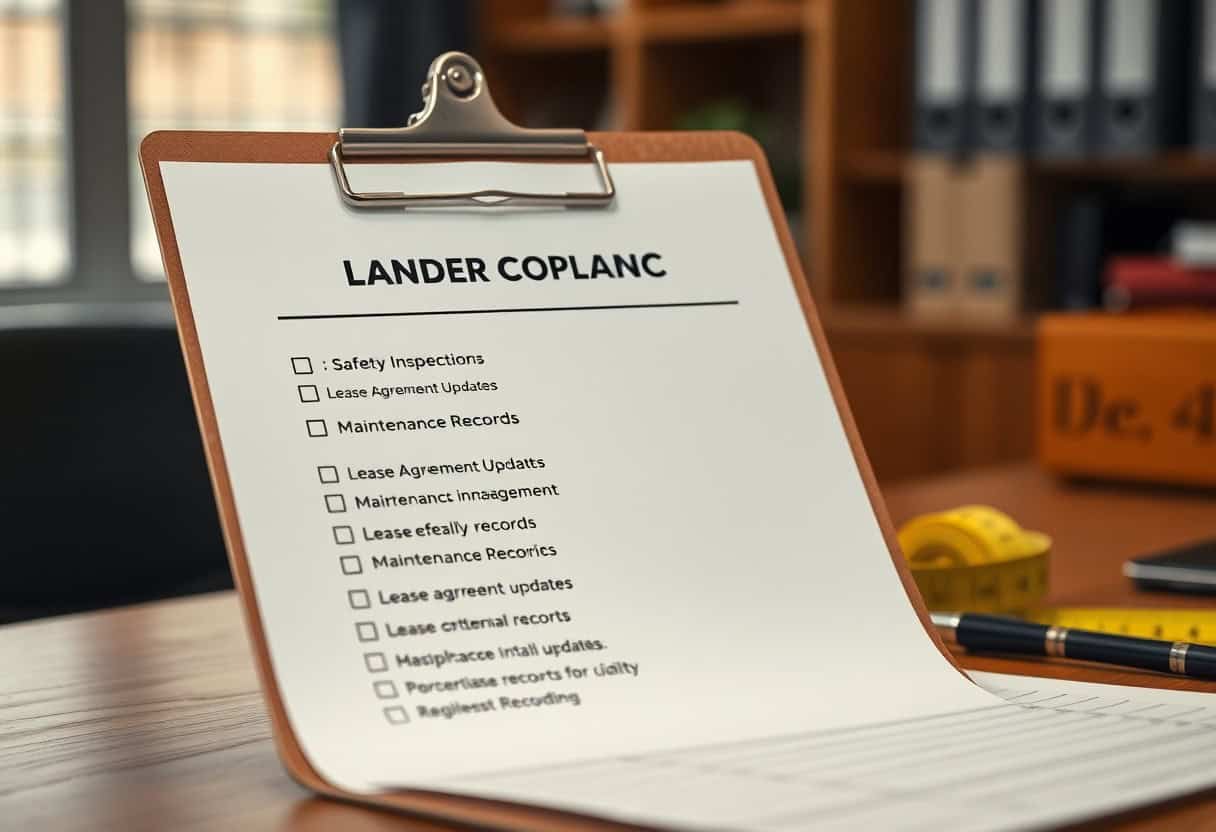
Over the next few years, understanding and adhering to the latest regulations is necessary for every landlord. This guide will provide you with a comprehensive checklist to ensure your properties comply with the 2025 standards. By staying informed about legal requirements, you can protect your investments and maintain positive relationships with tenants. Equip yourself with the knowledge needed to navigate the evolving landscape of landlord responsibilities, ensuring your properties are safe and compliant for all. Dive into the necessary elements of the 2025 Landlord Compliance Checklist to enhance your readiness and confidence.
Just as you prepare for any significant change in your responsibilities, it's vital to familiarise yourself with the 2025 Landlord Compliance Checklist. This guide will help you navigate the legal requirements and ensure that your properties meet standards for safety and habitability. You can find detailed information on the Landlord compliance checklist to stay ahead of the necessary regulations and maintain a positive rental experience for your tenants.
Adhering to landlord compliance means staying abreast of the ever-evolving landscape of regulations governing rental properties. You'll find that these compliance requirements are not just about maintaining property standards but also about ensuring that you uphold your responsibilities as a landlord. For a comprehensive guide, view the Landlord Responsibilities and Legal Obligations which breaks down vital legal aspects that you must consider. Your obligations include everything from ensuring gas safety checks to providing an energy performance certificate (EPC), each of which plays a vital role in safeguarding tenant welfare.
Your legal obligations as a landlord involve a multitude of areas that require thorough attention. For instance, you must ensure that all electrical installations are safe and carry out regular inspections; failure to do so can lead to severe penalties. Additionally, you are responsible for obtaining an EPC before renting out a property, as this is a legal requirement that not only reflects energy efficiency but also impacts tenant decisions. Failing to keep records or show compliance can result in hefty fines and compromise your standing in the rental market.
While you must comply with legal standards, it's equally important to understand your tenants' rights. Tenants are entitled to live in a safe, secure environment free from harassment. They have the right to receive proper notice before you enter the property, and your compliance with regulations directly affects their quality of life. For example, adequate heating and hot water are mandatory provisions during winter months, and neglecting these can lead to tenant disputes and claims of uninhabitable conditions.
Moreover, tenants have the right to privacy, which entails clear communication regarding property inspections or maintenance. As a landlord, always ensure that you provide a minimum of 24 hours' notice prior to entering a rented property unless there is an emergency. Understanding and respecting tenant rights will not only foster a positive rental relationship but also enhance your reputation as a responsible landlord.
As a landlord, you are obliged to meet a variety of legal requirements designed to protect both your tenants and your property. These regulations can include having an Energy Performance Certificate (EPC) for your rental property, ensuring it meets minimum energy efficiency standards, which, as of 2025, is a rating of 'C' or above. Additionally, you must provide a valid Gas Safety Certificate, ensuring that all gas appliances within your property are safe and routinely checked by a qualified engineer. Not adhering to these requirements may not only result in hefty fines but can also jeopardise your property's tenancy agreements.
Moreover, you need to be aware of local regulations that might affect your rental properties. These can include HMO (House in Multiple Occupation) licensing, which you're required to obtain if you're renting to three or more tenants from different households sharing facilities. Ensuring you stay informed and compliant with all aspects of housing law is necessary to avoid legal disputes and maintain a good reputation as a landlord.
Compliance is fundamental not only for legal reasons but also for fostering trust between you and your tenants. When you uphold the standards outlined by law, it demonstrates your commitment to providing a safe and well-managed living environment. This commitment often translates to improved tenant retention rates, as satisfied tenants are more likely to renew their leases and recommend your properties to others. In fact, properties with a good compliance record tend to experience less turnover, resulting in lower costs associated with redecorating and finding new tenants.
Moreover, non-compliance can significantly impact your insurance coverage. In instances where an incident occurs due to negligence, your insurance provider may refuse to cover liability claims, putting your financial interests at risk. By maintaining compliance, you protect not just the health and safety of your tenants but also your investment against unforeseen liabilities.
You must conduct regular safety inspections to ensure compliance with health and safety regulations. This includes checking fire alarms, carbon monoxide detectors, and electrical systems. For instance, a property should have smoke alarms installed on every floor and checked annually, with records maintained to demonstrate compliance. Furthermore, gas appliances should be serviced by a Gas Safe registered engineer at least once a year, ensuring tenant safety and minimising legal risks.
Your property must meet specific habitability requirements that ensure a safe and healthy living environment for tenants. These typically include access to clean water, functioning heating, adequate plumbing systems, and proper sanitation facilities. If any of these requirements are not met, you risk facing legal repercussions and significant financial liability.
Additionally, pest control should not be overlooked. Properties must be free from infestations, as pests can create serious health concerns for tenants. Regular inspections and prompt action to address any infestations will not only maintain your property's condition but also protect your reputation as a landlord.
Habitability requirements extend beyond mere structural integrity; they encompass the overall livability of the space. You should ensure that your properties provide adequate natural light, ventilation, and insulation to create a comfortable atmosphere. Tenants are more likely to renew their leases in well-maintained, habitable properties, reinforcing the importance of staying on top of these standards.
You must ensure that your property meets all relevant fire safety standards to protect your tenants. This includes equipping your rental with functioning smoke alarms on every level and a carbon monoxide detector in any room with a solid fuel burning appliance. All alarms should be tested regularly, and it is advisable to keep records of these tests to demonstrate compliance. If your property has communal areas, you are also responsible for maintaining effective emergency routes and providing adequate signage, ensuring that tenants can safely evacuate in case of an emergency.
Your responsibilities extend to clearly outlining a fire risk assessment for your property. Conducting this risk assessment helps you identify potential hazards and implement the necessary measures to mitigate risks. For a more detailed summary, refer to A Complete Checklist for Landlords in 2025, which covers the steps you should take to comply with fire safety regulations.
You are required to ensure that all electrical installations in your rental property are safe and comply with standards set out in the latest wiring regulations. This includes a thorough inspection and testing of your electrics at least every five years, conducted by a qualified electrician. Any electrical issues must be rectified promptly to ensure the safety and well-being of your tenants. Additionally, you must provide your tenants with an Electrical Safety Certificate as evidence of compliance.
For gas appliances, a Gas Safe registered engineer must carry out annual safety checks. This is a critical step to ensure that all appliances, flues, and pipework are functioning correctly and safely. Failing to comply can lead to serious safety risks and potential legal penalties. Keeping records of all gas safety checks is necessary, as you must provide these records to your tenants at the beginning of their tenancy and at every renewal.
In your efforts to maintain electrical and gas safety, fostering an open line of communication with your tenants can be incredibly beneficial. Encourage them to promptly report any concerns regarding appliances or installations, as early intervention can prevent more serious safety hazards from developing.
As a landlord, it is your duty to uphold fair housing regulations, which prohibit discrimination based on protected characteristics such as race, gender, disability, and family status. Familiarise yourself with the Equality Act 2010, which sets out guidelines to ensure that all tenants are treated equitably. Failure to comply can result in legal challenges and significant financial penalties, so it is paramount to understand these obligations thoroughly.
You should also ensure that your advertising and tenant selection processes are inclusive, avoiding language that could be deemed discriminatory. For instance, advertising properties with phrases that suggest preference for a certain demographic may lead to complications. Instead, focus on the property's features and benefits to attract a diverse range of applicants.
Your lease agreements should clearly outline the expectations and responsibilities of both you and your tenants. Include details such as the duration of the lease, rent payment schedules, maintenance obligations, and policies regarding subletting. Ambiguities in these agreements can lead to disputes; therefore, clarity is important. Make sure that both parties have signed the lease and retain copies for reference.
Moreover, ensure that your lease complies with the Residential Tenancies Act. This legislation encompasses tenants' rights to a habitable living environment and outlines procedures for terminating a lease. Failing to adhere to these terms not only damages your relationship with tenants but can also expose you to legal repercussions.
Consider including a section in your lease agreements that highlights tenant responsibilities, such as keeping the property in a reasonable state of cleanliness and promptly reporting maintenance issues. This proactive approach can lead to more responsible tenant behaviour and minimise misunderstandings over property upkeep.
Your lease agreement should clearly define the terms and conditions that govern the tenancy, avoiding ambiguity that could lead to disputes. Key elements include the duration of the tenancy, the amount of rent, and the payment schedule. Additionally, specify the responsibilities of both landlord and tenant regarding maintenance and utility payments. A thoroughly outlined lease not only protects your rights but also establishes clear expectations for tenants, thereby fostering a smoother rental experience.
Ensure any clauses related to deposits, renewals, and termination are straightforward. For instance, if you require a month's notice for termination, this should be explicitly stated. By outlining these terms in detail, you can mitigate misunderstandings and create a fair foundation for the landlord-tenant relationship.
Implementing fair rental practices is vital to maintaining a positive reputation and ensuring compliance with housing regulations. This involves setting rent prices that are competitive yet fair, taking local market conditions into account. Conduct regular market research to determine an appropriate rental rate, considering factors such as location, property condition, and amenities provided. Charging excessively high rents can lead to longer vacancies, whereas pricing too low can undermine your investment.
Moreover, it is imperative to remain compliant with discriminatory housing laws when selecting tenants. This includes providing equal opportunity for all applicants, avoiding biases based on race, gender, or family status. By fostering an inclusive environment, you can attract a diverse tenant base and uphold a commitment to fairness.
Fair rental practices also extend to timely communication and responsiveness to tenant concerns. Staying approachable and addressing issues promptly can reduce tenant turnover and enhance your property's reputation. For instance, conducting regular check-ins and implementing feedback mechanisms can help you identify and resolve potential problems before they escalate, ensuring tenant satisfaction and retention.
Safety inspections form the foundation of effective property maintenance. You must conduct regular safety inspections to ensure compliance with health and safety regulations, assess the condition of vital systems, and identify potential hazards. Conducting these inspections not only helps you to uphold legal obligations but also promotes tenant satisfaction and retention. Consider implementing a robust inspection protocol that includes checklists tailored to each aspect of your property, from electrical installations to plumbing systems. Regular updates to your inspection protocol will cater to changes in legislation and emerging best practices in property management. For a comprehensive approach, refer to the Landlord Compliance Checklist | Avoid Costly Mistakes.
Establishing a clear inspection protocol is vital for maintaining high property standards. You should schedule inspections at defined intervals, such as quarterly or biannually, depending on the property type. Document each inspection thoroughly, noting areas of concern and actions taken to rectify issues. Utilising technology, such as property management software, can streamline the documentation process and ensure you remain compliant with notification requirements for tenants. By adopting a proactive stance on inspections, you mitigate the risk of neglecting vital maintenance and avoid costly repairs in the long run.
Your responsibilities as a landlord extend beyond ensuring compliance through inspections; you must also be diligent in addressing maintenance issues as they arise. Ensuring that repairs are addressed promptly not only meets legal requirements but also fosters a positive landlord-tenant relationship. It's vital to keep communication channels open with your tenants, so they feel comfortable reporting issues. You may also wish to consider creating a clear process for tenants to submit maintenance requests, along with set timeframes in which you aim to address these concerns. Having an effective maintenance schedule in place ensures that your property remains safe, habitable, and appealing to your tenants.
Additionally, you ought to remain informed about your maintenance obligations under the law, which can vary by location. Familiarising yourself with the specific requirements will help you avoid unnecessary disputes and ensure that your property meets all legal standards. Setting aside a dedicated budget for maintenance can also enhance your ability to respond swiftly when issues arise, reducing the likelihood of tenant dissatisfaction and potential claims against you.
You must be well-versed in Fair Housing Regulations to ensure that your rental practices comply with the law. These regulations are designed to protect individuals from discrimination based on race, colour, national origin, sex, disability, and familial status. Familiarise yourself with both national and local laws to ensure that your tenant selection process treats all applicants fairly and consistently. Ignoring these regulations can lead to significant legal consequences, including costly fines and potential lawsuits. Implementing a standardised and transparent application process can help mitigate any risks associated with biased practices.
Anti-Discrimination Laws form the backbone of fair housing regulations, and as a landlord, you are obligated to adhere to these laws. This means you cannot refuse to rent, set different terms, or provide less favourable conditions based on the protected characteristics. Legal cases such as the Fair Housing Act have established that discriminatory advertising, tenant screening, and lease terms can result in legal repercussions. Training your staff on these laws is imperative to maintain compliance and foster an inclusive environment for all potential tenants.
In the context of Fair Housing Regulations, reasonable accommodations refer to necessary adjustments or modifications that you must allow for individuals with disabilities to ensure they have equal access to your property. This could involve allowing service animals in a no-pets policy or making physical changes, such as installing grab bars in bathrooms. Each case may vary, and you must evaluate requests individually while considering the functional needs of the tenant. A proactive approach may involve outlining your procedures for requests in your lease agreements to ensure transparency.
Granting reasonable accommodations not only meets legal requirements but also promotes goodwill within your tenant community. You should document all requests and the actions you take to comply, as this can serve as evidence of your commitment to equitable treatment if questions arise. It's advisable to engage in an interactive dialogue with the tenant to fully understand their needs, ensuring that you're providing the most appropriate solutions while taking into account the feasibility of the requested changes.
Maintaining vital documents is a fundamental aspect of your responsibilities as a landlord. You should have a comprehensive lease agreement that outlines the terms and conditions of the rental arrangement. This document serves as a legal record of your relationship with tenants, detailing everything from rental amounts to maintenance obligations. Additionally, keep copies of any amendments or addendums to the lease, ensuring that all modifications are documented and agreed upon. Security deposit receipts and return documentation are also necessary, as they provide a clear account of the tenant's financial contributions and of your obligations regarding their return.
Moreover, tenant communication logs can be beneficial in resolving disputes. These records should include any correspondence regarding repairs, complaints, or notices given to tenants. By documenting these interactions, you create an evidence trail that may support your position should any legal issues arise. When landlords maintain accurate and thorough documentation, they increase their credibility and protect themselves from potential legal claims.
Your financial records need to be meticulous, as they play a vital role in your overall property management. Track income from rents received and any additional fees, providing a clear picture of your cash flow. It's advisable to categorise expenses, such as maintenance, property taxes, and insurance premiums, to simplify tax reporting and financial assessments. Utilising accounting software can greatly enhance your ability to maintain these records efficiently, allowing for timely updates and easy retrieval during audits or inspections.
Pertaining to financial records, detailed records of all transactions related to your rental properties are vital. You should retain receipts for any repairs or improvements made to the property, as well as invoices for services rendered. This not only aids in tax deductions but also provides a clear financial history that can indicate the health of your investment. Furthermore, tracking these expenses against rental income will allow you to analyse the profitability and ROI of your property over time, guiding future investment decisions effectively.
Effective record-keeping is vital for maintaining compliance as a landlord. It not only protects you in disputes but also provides a clear trail of your actions and decisions regarding your rental properties. Documentation serves as evidence of adherence to regulations, which can safeguard you from potential legal ramifications. In addition, well-maintained records aid in efficient property management, allowing you to reference tenant communications, maintenance records, and financial transactions at a moment's notice.
Moreover, with the rise of technology, digital records have become increasingly popular, enhancing accessibility and security. You can store documents securely while ensuring that all relevant parties have access to important information when required. This seamless approach to documentation can help streamline your operations and maintain a professional image in the rental market.
As a landlord, there are specific records you must keep to ensure compliance and efficient management. Key documents include lease agreements detailing the terms of tenancy, tenant applications with background checks, and rent payment records. You should also maintain a log of maintenance requests and actions taken, safety inspection reports, and communication with tenants regarding any issues that arise during their tenancy.
Furthermore, tax records reflecting your rental income and allowable expenses must be meticulously organised for accurate reporting and compliance with HM Revenue and Customs. Having these vital records readily available not only enhances your operational efficiency but also instils confidence in your tenants, showcasing your professionalism in the landlord-tenant relationship.
Properly categorising these records is vital for quick retrieval and analysis. You might consider using software tailored for property management that can facilitate tracking and archiving of vital documents, ensuring that your documentation is both accessible and secure. This level of organisation demonstrates your commitment to quality management and compliance.
Before an inspection, create a comprehensive checklist to ensure you are fully prepared. Start by reviewing your property against local regulations and standards. Check that all safety equipment, such as smoke alarms and carbon monoxide detectors, is installed and functioning correctly. It's also important to ensure that any necessary documentation, like gas safety certificates, is easily accessible and up to date. An annotated checklist is a practical tool for verifying that all required areas have been addressed.
You should also conduct a thorough walkthrough of your property. Inspect common areas for cleanliness and ensure that any repair work has been completed. Pay special attention to high-traffic areas like hallways and stairwells, where safety hazards frequently arise. Taking photographs can provide visual evidence of your compliance and aid in accurate reporting during the inspection process.
Landlords frequently encounter specific pitfalls during inspections that can lead to non-compliance or costly penalties. One such issue is insufficient preparation; failing to assess the property adequately beforehand can result in oversights, such as unaddressed maintenance concerns or documentation gaps. Additionally, neglecting to inform tenants about the inspection date and time can lead to access issues, compounding your challenges and potentially hindering compliance efforts.
Another common pitfall involves assuming that verbal agreements or informal arrangements are sufficient for compliance. Ensure you document all agreements and keep them on file. For instance, if an agreement is reached regarding repairs or maintenance, get it in writing, specifying timelines and responsibilities. This prevents misunderstandings and establishes a clear record should any issues arise later.
Be aware that inadequate communication with your tenants can also create barriers to a successful inspection. Engaging your tenants early in the process, clarifying what will be inspected, and addressing their concerns can significantly ease the transition. Providing a brief overview of what to expect during the inspection demonstrates professionalism and may lead to a more positive experience for all parties involved.
Understanding the legal grounds for eviction is vital for your compliance as a landlord. You can evict a tenant for several reasons, such as failure to pay rent, breach of tenancy agreement, or if you intend to reclaim possession of the property for personal use. Specific circumstances, like anti-social behaviour or significant damage to the property, may also warrant eviction. You must ensure your reasons are valid and follow the correct legal procedure to avoid disputes or claims of unlawful eviction. For a detailed overview of your Landlord Responsibilities and Legal Obligations, refer to reputable resources.
Proper eviction protocols involve a systematic approach to terminating a tenancy. Initially, you must issue a valid notice to your tenant, specifying the grounds for eviction and giving them adequate time to remedy the situation or vacate. Following the notice period, if the tenant has not complied, you may need to file for a possession order through the courts. Ensure that you comply with local laws, as procedures can vary based on jurisdiction, and getting it wrong can extend the process unnecessarily.
It is vital to maintain open communication with your tenant throughout this process, as amicable resolutions can often lead to quicker outcomes. If your tenant persists in non-compliance, gathering documentation of all communications and notices served will support your case in court. Additionally, engaging a solicitor experienced in property law can safeguard your interests and streamline the eviction process, ensuring all legal mechanisms are correctly followed.
Presently, the 2025 Landlord Compliance Checklist is an important tool for ensuring that you meet all necessary legal requirements as a landlord. By meticulously following the checklist, you can effectively safeguard your property and tenants while avoiding potential legal pitfalls. Your adherence to the guidelines not only reflects your commitment to providing a safe living environment but also enhances your reputation as a responsible landlord within the community.
As you prepare for the changes coming in 2025, ensuring compliance across all areas highlighted in the checklist will streamline your operations and bolster tenant satisfaction. Being proactive in your approach will not only benefit your current management practices but also prepare you for future regulations. Ultimately, staying informed and compliant will position you favourably in the evolving landscape of property management.
Following this, it is necessary that you meticulously adhere to the 2025 Landlord Compliance Checklist to ensure your properties meet the latest legal requirements. This checklist will not only safeguard your tenants but also protect your investment and reputation as a landlord. Staying informed and compliant is fundamental to successful property management, allowing you to navigate the complexities of rental legislation with confidence.
To further enhance your understanding, you can refer to The Complete Landlord Checklist for 2025. This resource provides comprehensive guidance on all necessary compliance aspects, enabling you to create a safe and legally sound environment for your tenants. Prioritising this checklist will aid in streamlining your responsibilities and maintaining high standards within your rental properties.
A: The 2025 Landlord Compliance Checklist is designed to ensure that landlords meet the latest legal requirements and safety standards relevant to rental properties. It serves as a comprehensive guide to assess compliance with various regulations, including safety certificates, tenant rights, and property condition.
A: Landlords should focus on elements such as ensuring gas safety checks are completed annually, obtaining an Energy Performance Certificate (EPC), maintaining electrical safety standards, and adhering to fire safety regulations. Additionally, the checklist includes obligations related to tenant deposit protection and ensuring that properties are fit for habitation.
A: Non-compliance with the checklist can lead to significant consequences for landlords, including fines, legal action, and difficulties in evicting tenants. Furthermore, failure to comply may impact a landlord's ability to secure future tenancies and could also harm their reputation in the rental market.