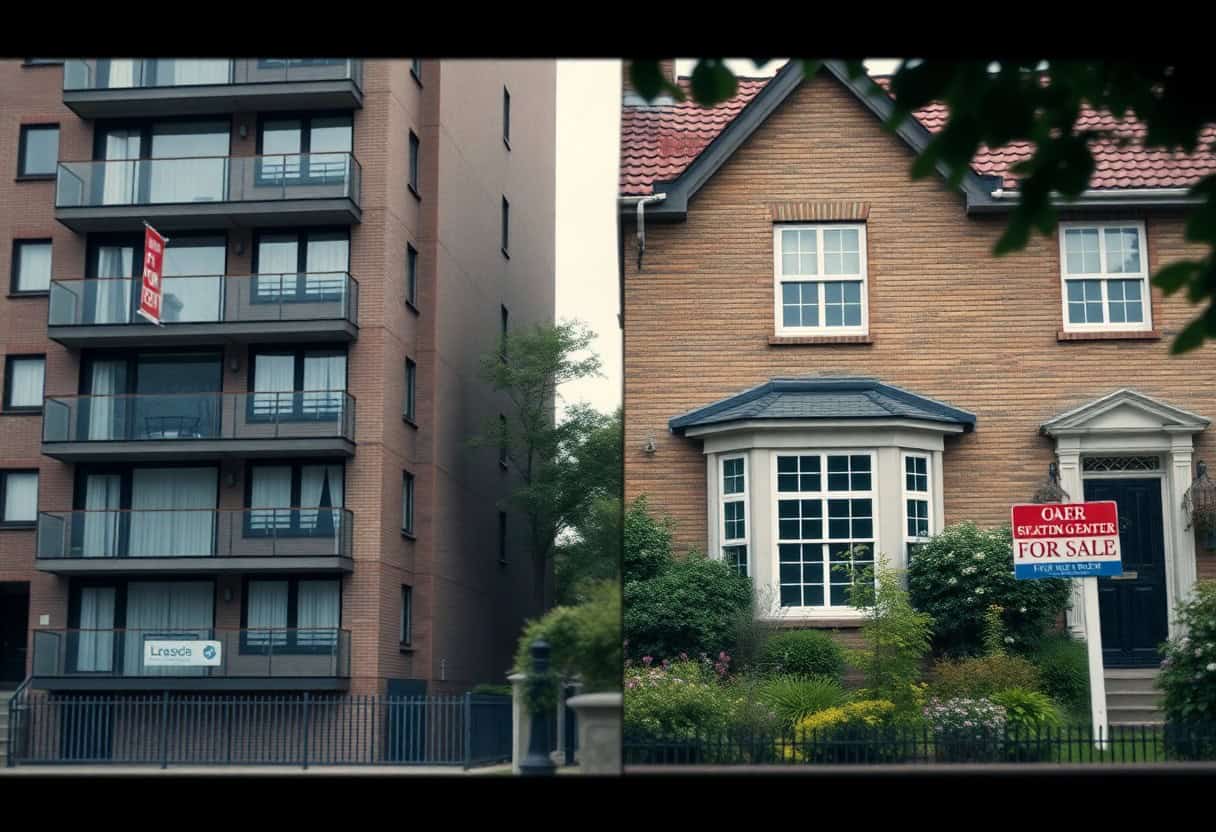
Properties in the UK can generally be classified as either leasehold or freehold, each presenting its own set of advantages and potential pitfalls. When you understand the differences, you can make informed decisions about your investment. Freehold properties grant you full ownership of both the building and the land it occupies, offering greater control and stability. On the other hand, leasehold properties involve owning the building but leasing the land, which can lead to additional costs and restrictions over time. This guide will help you navigate these options effectively.
For many prospective homeowners in the UK, understanding leasehold properties is imperative. A leasehold property means that you own the right to occupy the property for a specified period, typically ranging from 99 to 999 years, but you do not own the land on which it stands. The land is owned by a freeholder, who leases it to you under a legal agreement known as a lease.
Between leasehold and freehold properties, key characteristics distinguish them. With leasehold, you have limited control over the property, as conditions set by the freeholder may influence modifications and usage. Additionally, you may be required to pay ground rent and maintenance fees, which are not standard in freehold ownership.
To fully grasp the implications of leasehold properties, it's important to understand your rights and responsibilities. As a leaseholder, you have the right to occupy the property and may also have the opportunity to extend the lease or purchase the freehold, if the terms allow. However, you are also responsible for adhering to the terms of your lease, including payment of ground rent and maintenance obligations.
The rights you hold as a leaseholder include occupying the property and accessing communal areas, while your responsibilities entail paying ground rent and managing maintenance costs. Be aware that if you fail to meet these obligations, you risk facing penalties or even losing your lease. Moreover, the length of your lease can significantly affect the property's value; as it shortens, it may become harder to sell. Always ensure you thoroughly understand your lease and its conditions to protect your interests.
If you own a freehold property in the UK, you have complete ownership of both the building and the land it sits on. This means that you have the right to make alterations, sell, or lease your property as you see fit. For a comprehensive comparison between leasehold and freehold properties, explore Leasehold Vs Freehold: What Are The Differences?.
Around freehold properties, you will find that they typically come without the time limitations that leasehold properties face—offering you the stability of permanent ownership. You won't need to pay ground rent or service charges, giving you more control over your financial obligations.
One of the main benefits of owning a freehold property is the independence it grants you regarding your living space. You are responsible for maintaining the property and the surrounding land, which means you have the freedom to make decisions that enhance your home's value.
And while full ownership is advantageous, it also comes with significant responsibilities. You must ensure that your property complies with local regulations, including those concerning safety and planning. Failure to maintain your property can lead to serious legal issues, making it necessary to stay informed about your obligations as a freeholder. Overall, understanding your rights is equally important, as they empower you to manage and enjoy your property as you wish.
While both leasehold and freehold properties have their merits, understanding the differences can help you make an informed decision. The table below highlights the key distinctions between the two:
| Aspect | Leasehold |
| Ownership Duration | Temporary ownership based on the length of the lease |
| Financial Considerations | Potential ground rent and service charges |
| Maintenance and Management | Responsibility may fall on the freeholder |
Any leasehold property has a specific lease length, often ranging from 99 to 999 years. As the lease term decreases, its value may diminish, impacting your investment. In contrast, freehold ownership means you have the property indefinitely, giving you greater security and control over the asset.
After purchasing a leasehold property, you must consider potential ongoing costs. These can include ground rent, which you pay to the freeholder, and service charges for property management. Freehold properties typically don't have these fees, allowing for more predictable financial planning.
In fact, the financial implications of leasehold properties can significantly affect your long-term investment. As a lease nears expiry, you may face challenges in selling the property or securing a mortgage. It's important to evaluate these costs carefully to avoid unexpected financial burdens.
On the topic of maintenance, leasehold agreements may leave you at the mercy of the freeholder for property upkeep. In a freehold, you maintain the entire property, giving you more control but also responsibility for repairs and management.
To navigate maintenance concerns smartly, ensure you fully understand the lease agreements regarding responsibilities. Some lease agreements may stipulate who handles repairs and maintenance, and unclear terms can lead to disputes. Being proactive about these details can save you from potential headaches down the line.
Despite their popularity, leasehold properties can pose several challenges for owners. You may face difficulties such as limited control over property modifications and restrictions dictated by the lease. Furthermore, leasehold properties often come with uncertainty regarding the length of the lease, which can significantly affect property value and your investment potential.
Behind every leasehold property, you will find ground rent and service charges that can complicate your financial obligations. These costs can increase over time, leading to unexpected expenses that impact your overall budget and may even make your property less attractive to potential buyers in the future.
With leasehold properties, you might want to explore options for lease extensions or enfranchisement to secure your investment. These processes can provide you with greater control and can also help protect the value of your property.
A lease extension involves securing additional years on your existing lease, which can significantly enhance your property's marketability. It is advisable to act if your lease has fewer than 80 years left, as the property value can diminish considerably. Enfranchisement, on the other hand, allows you to purchase the freehold of your property, which gives you full control. This option can be particularly advantageous, as it eliminates the burden of ground rent and allows you more freedom in managing your home. However, both processes can be complex and costly, requiring careful consideration and possibly legal assistance to navigate effectively.
All prospective buyers should understand the legal implications of purchasing leasehold or freehold properties. Important factors include Should I buy freehold or leasehold?, lease agreements, and your rights under property law. Engaging a qualified solicitor can provide clarity and ensure you are fully informed before committing to a purchase.
To navigate the complexities of a leasehold property, you must carefully review your lease agreement. This document outlines your rights and obligations, including ground rent, service charges, and the duration of the lease. A transparent understanding of these terms can help you make an informed decision about your investment.
One of the key aspects of property ownership in the UK is understanding your rights under property law. You should be aware that leasehold properties are subject to distinct regulations, which can affect your ability to make alterations or sell the property in the future.
Property ownership can be a complicated landscape, especially when dealing with leasehold agreements. In a leasehold arrangement, you are typically granted the right to occupy the property for a specified term, while the freeholder retains ownership of the land. It's vital to be aware of the potential for rising ground rents and other fees, which may impact your financial commitments. Moreover, if your lease has less than 80 years remaining, the value could significantly decrease, making it challenging to sell or obtain a mortgage. Understanding these aspects of property law is crucial for ensuring a successful investment in your future.
To understand the current landscape of property ownership, you can explore the reforms that have shaped leasehold and freehold distinctions recently. Freehold vs Leasehold: Differences Explained highlights key aspects of these changes that affect you as a potential buyer.
Any shifts in leasehold legislation, such as limitations on ground rents and easier processes for lease extensions, aim to protect you from excessive charges and lengthy negotiations, creating a fairer environment for leaseholders.
Around the corner, the evolving market dynamics could significantly reshape your buying decisions.
It is vital for you to be aware that the ongoing reforms will likely enhance your purchasing power and rights as a leaseholder. These amendments may lead to reduced ongoing costs and increased transparency. However, be cautious, as not all properties will readily adapt to these changes, potentially leading to mixed outcomes in the market. Keep a lookout for properties that offer more favourable terms to ensure your investment is secure.
Hence, understanding the distinction between leasehold and freehold properties in the UK is necessary for making informed decisions regarding your property investment. A leasehold typically means you own the property for a set period while the land is owned by someone else, whereas freehold grants you full ownership of both the property and the land. By assessing your financial situation and long-term plans, you can determine which type aligns best with your needs, enabling you to navigate the property market with confidence.
A: The primary difference lies in ownership. In a freehold property, the owner possesses both the property and the land it stands on indefinitely. In contrast, a leasehold property means the owner holds the property for a set number of years, decades, or even centuries, but does not own the land. After the lease expires, ownership reverts to the freeholder. Thus, understanding the lengths of leases and the associated rights is important when considering a leasehold property.
A: Purchasing a leasehold property can come with certain implications and responsibilities. Leaseholders may be required to pay ground rent to the freeholder, alongside maintenance charges for communal areas. Furthermore, the terms of the lease can dictate how the property can be altered or renovated. It's important for potential buyers to thoroughly review the lease agreement, including its duration, as shorter leases might impact property value and mortgage availability.
A: Leasehold enfranchisement is the legal process by which leaseholders can purchase the freehold of their property, enabling them to obtain full ownership. The process involves a number of requirements, such as a minimum length of time on the lease, and can also apply to collectively owning the freehold with other leaseholders in the building. Enfranchisement can lead to increased property value and greater control over management and maintenance costs, but it often requires legal guidance to navigate involved procedures and negotiations.